IB Biology Sub-topic C1.1 Notes
Metabolic pathways
In the SL syllabus, you learned about metabolism and how enzymes catalyze metabolic reactions. In the HL syllabus, you are expected to know more detail about both of these aspects. To begin, you must be aware that metabolic networks are constructed of a series of pathways. These pathways are typically arranged as:
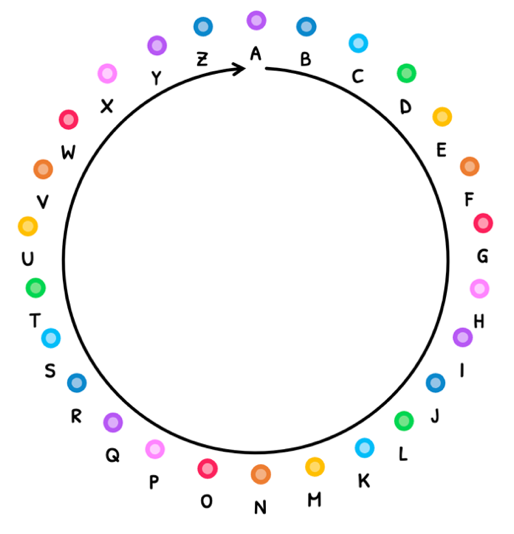
- Cycles - where a start molecule is changed over a series of reactions and reformed, allowing for a continuous pathway. Examples of cycles include the Krebs cycle and the Calvin cycle.
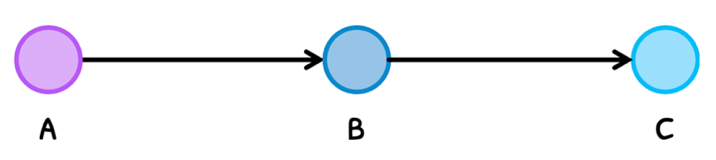
- Chains - where a start molecule is changed over a series of reactions to form an end molecule.
In either case, the pathway is always connected with control mechanisms that regulate the molecules. As a result, molecules are only produced when they are needed and destroyed when they are not needed.
Pathway location
Whilst the type of metabolic pathway is important its function, its location is too. In this sense, metabolic pathways can be divided into two types:
Extracellular - these are pathways undergone outside of the cells that typically act to break down macromolecules into monomers so that cells can interact with them. The immune destruction of pathogens is also considered to a function of extracellular metabolism.
Thus, important examples of extracellular pathways include the chemical digestion of food in the alimentary canal and phagocytosis/antibody-mediated destruction of pathogens.
Intracellular - these are pathways undergone inside of cells that typically act to use extract, convert and use energy from monomers.
Thus, important examples of intracellular pathways include glycolysis and the Krebs cycle in animals, with the Calvin cycle an additional cycle in plants.
Heat generation
The next component you are supposed to understand is that of heat generation in metabolic reactions. Many reactions are exothermic and release heat, particularly respiration. This is because bond formation in molecules releases energy as heat, which cannot be recovered. Thus, energy conversions in the body always operate at less than 100% efficiency.
However, this is not a bad thing. Since there is no other source of heat production, the heat generated by metabolism is essential in warm-blooded animals for several reasons:
- Cells and enzymes work optimally at 37°C, requiring the body to be maintained at this temperature.
- Heat production and energy loss create a necessary energy balance with food ingestion for nutrients and other essential compounds. Otherwise, this energy would only be absorbed with nowhere else to go.
- In cold conditions, metabolism can be upregulated to sustain body warmth and prevent freezing.